Case Studies

Examples of operational AI in practice.

These examples show the type of business problems we are built to solve: repetitive workflows, fragmented internal knowledge, inconsistent execution, and slow operational throughput.

How we present this work

Specific problems. Specific workflows. Specific outcomes.

Client details are kept confidential, but the operational specifics are real. Sector, scale, and workflow context are included so you can assess fit.

01
Professional services — ~50 staff, 250+ client requests per month

Reducing intake and response admin in a high-volume service process

A structured workflow redesign for a professional services firm handling repetitive requests, routing, and response preparation at scale.

Challenge

A 50-person advisory firm was spending significant staff time manually triaging client requests, formatting responses, and routing work between team members — with inconsistent results and growing turnaround pressure.

Approach

We mapped the full intake workflow, identified the highest-volume repetitive decision points, and implemented AI-assisted support for intake classification and response drafting — integrated into the tools the team already used.

Result

Faster average turnaround, meaningful reduction in per-request handling time, and more consistent outputs across the team — without adding headcount.
02
Internal operations — ~80 staff across multiple locations

Improving access to process and policy knowledge across teams

A structured internal knowledge system for an operations team losing hours each week to fragmented documents and repeated internal questions.

Challenge

An 80-person operations team spread across multiple locations was relying on a small group of senior staff to answer the same process and policy questions repeatedly — creating a bottleneck that slowed both the experts and the people waiting on answers.

Approach

We audited the most common internal questions, structured the relevant knowledge sources, and built an internal assistant designed for fast, role-relevant retrieval — integrated with the team's existing document environment.

Result

Faster answers for staff, measurable reduction in interruptions to subject matter experts, and stronger consistency in how internal guidance was applied across locations.

03
Operations and reporting — mid-size firm, 6 business units

Improving internal visibility in reporting-heavy workflows

A streamlined reporting flow for a leadership team managing six business units and spending too much time assembling operational updates manually.

Challenge

Managers across six business units were each spending several hours per week collecting inputs, chasing updates, and manually assembling reports — leaving leadership with slow, inconsistent visibility into operations.

Approach

We designed AI-assisted reporting support built around the team's existing rhythms, data sources, and review checkpoints — reducing the manual assembly work without changing the underlying operating cadence.

Result

Cleaner reporting flow, significant reduction in manual collation time, and faster access to usable operational summaries for leadership decision-making.

Not sure if your workflow is ready?

Download the checklist before your next step.

A self-assessment covering process maturity, use case clarity, data readiness, and stakeholder alignment.

Your situation

Different problem? The approach is the same.

Not every engagement maps directly to the examples above. If your workflow challenge looks different — more complex, more specific, or at a different stage — the first conversation is the right place to assess fit.

We will tell you directly whether we are the right match, and what the most useful first step would be.

Discuss Your Use Case

Workflow proof

Clear proof shows what changed and why it mattered.

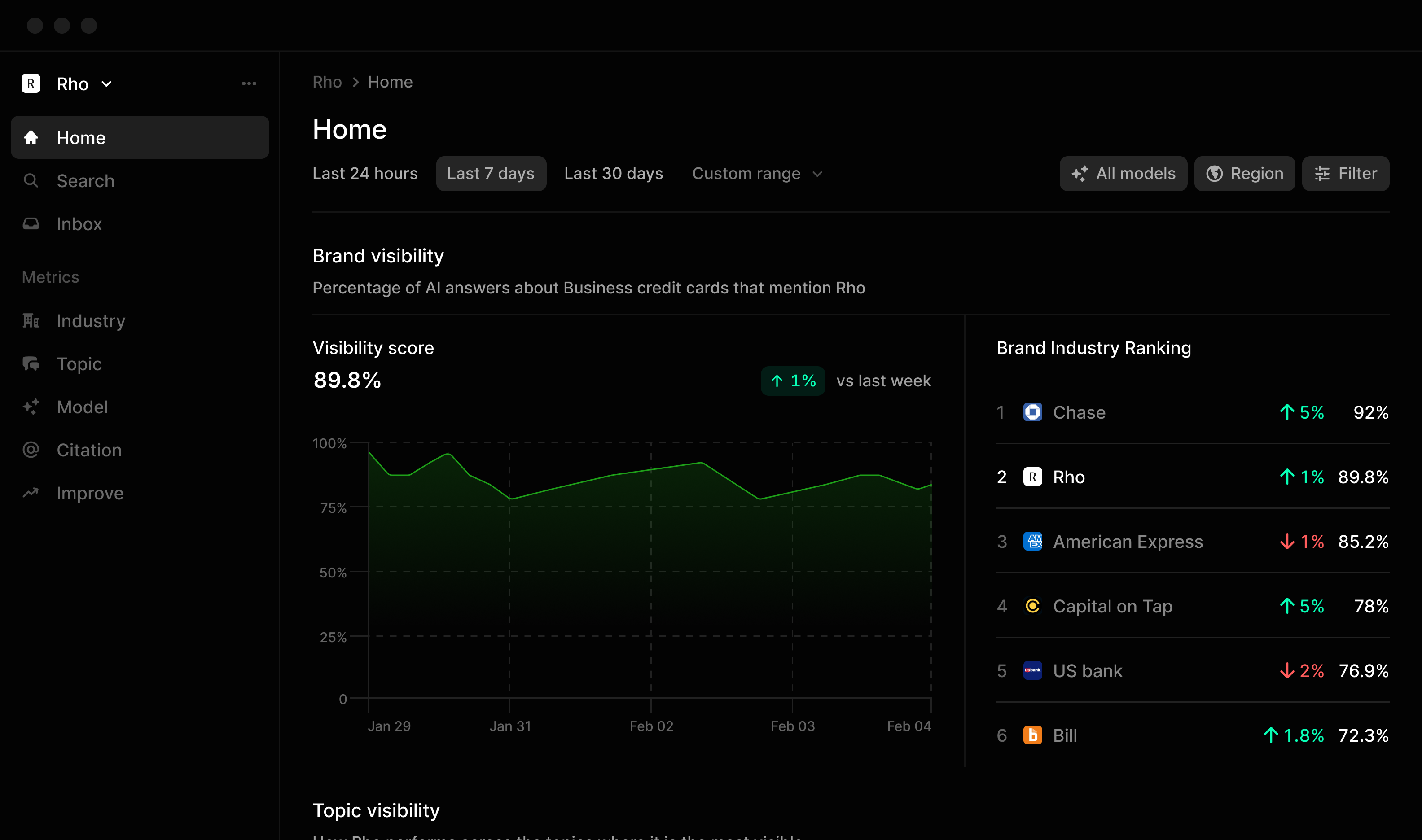
Dashboards, workflow visuals, and operating snapshots make results easier to evaluate because they show the business context behind the written summary.

Brand visibility monitoring dashboard showing performance trends and ranking data